Safety Standards in Skid Fabrication Processes You Should Know
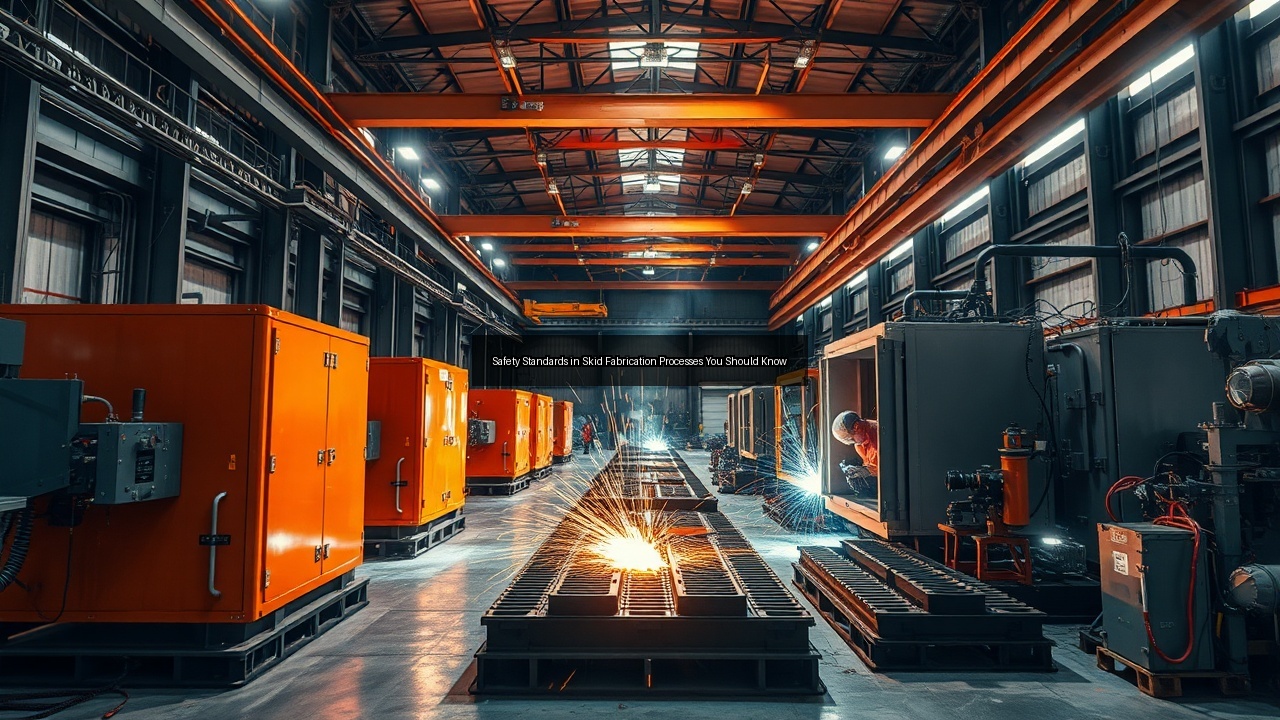
Understanding Skid Fabrication Standards
Overview of Skid Fabrication
Skid fabrication involves assembling modular process skids that house equipment for fluid handling, chemical processing, and pressure control in demanding environments. These units combine pumps, heat exchangers, valves, and piping on a steel frame for easy transport and installation. Manufacturers rely on precise machining and welding to meet exact specifications, allowing rapid deployment in oil and gas industry projects. Custom skid fabrication further tailors dimensions, materials, and layouts to site constraints, reducing on-site construction time. Fabricators integrate sensors and controls directly onto the skid to create complete modular process systems that operate reliably under high pressure and temperature. This approach streamlines project schedules while maintaining structural integrity across remote locations.
Importance of Safety Standards in Skid Fabrication
Safety standards protect workers and end users by dictating material selection, structural reinforcements, and pressure testing protocols during skid fabrication. Proper adherence prevents leaks, structural failures, and fire hazards common in oil and gas operations. Fabricators must follow load calculations and seismic bracing requirements to ensure modular skids remain stable during transport and operation. Regular audits verify that welding joints withstand cyclic stress and that electrical systems meet grounding standards. Companies that embed these practices early in the design phase lower insurance costs and avoid regulatory shutdowns. Consistent safety enforcement also builds client trust, as operators recognize that certified modular process skid units perform without unexpected interruptions.
Key Regulations and Compliance Guidelines
American regulations such as ASME B31.3 for process piping and OSHA 1910 standards govern every stage of skid fabrication. Compliance requires documented material traceability, welder qualifications, and non-destructive testing records. Fabricators must also satisfy API and NFPA codes when modular process skids handle flammable fluids. International projects often incorporate additional directives from regional authorities, forcing manufacturers to maintain multiple certification pathways. Thorough compliance documentation speeds permitting and reduces liability exposure. Skid fabrication shops that maintain up-to-date compliance libraries respond faster to client audits and secure repeat business in regulated sectors.
Essential Safety Practices in Modular Process Skid Fabrication
Risk Assessment Protocols
Effective risk assessment begins with hazard identification workshops that map every potential failure point in modular skid fabrication. Teams evaluate chemical compatibility, pressure ratings, and ergonomic access before fabrication starts. Quantitative tools such as HAZOP studies assign severity and likelihood scores to each risk, guiding engineers toward mitigation strategies like redundant valves or blast-resistant enclosures. Ongoing reviews during fabrication adjust protocols when material substitutions occur. Documentation of these assessments forms part of the project quality management package and satisfies client and regulatory review cycles.
Safety Measures During Design and Fabrication
Design teams incorporate safety into modular process skids by specifying non-slip grating, guarded rotating equipment, and clear escape routes around the frame. Fabrication crews follow lockout-tagout procedures during welding and machining operations to prevent accidental energization. Personal protective equipment requirements escalate based on task hazards, with specialized respiratory protection required for alloy welding fumes. Lift planning and rigging procedures protect both personnel and finished modules during shop handling. These layered measures reduce incident rates and maintain production momentum throughout the fabrication process.
Welding Safety Standards in Skid Fabrication
Skid fabrication welding demands qualified procedures for carbon steel, stainless alloys, and exotic materials. Welders must hold current certifications for each process and position used on the skid. Fume extraction systems and fire watches remain mandatory around all hot work. Post-weld heat treatment records confirm residual stress relief on critical pressure joints. Non-destructive examination methods such as ultrasonic and radiographic testing verify weld integrity before the modular skid leaves the shop. Strict adherence to these welding safety standards prevents leaks that could compromise downstream operations in the oil and gas industry.
Quality Management in Skid Fabrication Processes
Quality Control Techniques
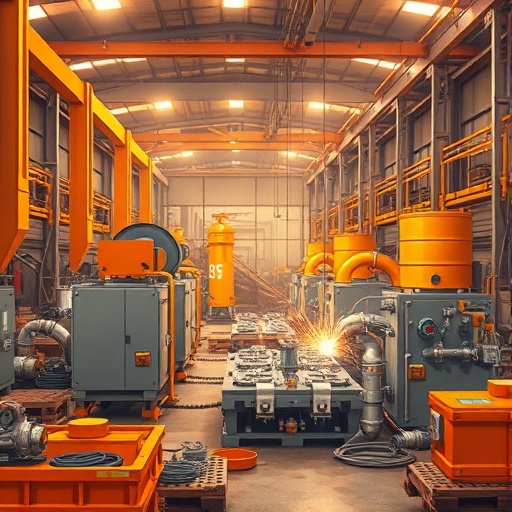
Quality control in skid fabrication relies on dimensional inspections, pressure testing, and coating thickness measurements at defined hold points. Technicians use calibrated instruments to verify pipe alignment and valve orientation against approved drawings. Functional tests confirm pump performance and control loop responses before shipment. Digital checklists capture every inspection result, creating an auditable trail that supports warranty claims and future maintenance planning. These techniques catch deviations early, avoiding costly rework once the modular skid reaches the field.
Role of Quality Assurance in Skid Manufacturing
Quality assurance programs establish the processes that guide every decision in skid manufacturing. They define material receiving criteria, welder performance monitoring, and final documentation packages. Assurance teams conduct internal audits to confirm that fabrication crews follow approved procedures consistently. When deviations surface, corrective action workflows trace root causes and update work instructions. Strong quality assurance practices differentiate leading skid fabrication companies by delivering predictable outcomes on schedule and within budget.
Impact of Quality on Cost and Performance
High-quality skid fabrication reduces total installed cost by minimizing field modifications and commissioning delays. Reliable modular process skids experience fewer unplanned shutdowns, protecting revenue streams for operators. Initial investments in superior materials and testing pay dividends through extended service life and lower maintenance frequency. Conversely, shortcuts in quality control inflate long-term expenses through repairs and lost production. Clients evaluate fabricators on both upfront pricing and demonstrated track records of sustained performance.
Technological Advancements in Skid Fabrication
Innovative Materials: Alloys and Their Benefits
Advanced alloys now dominate skid fabrication when corrosion resistance or weight reduction becomes critical. Duplex stainless steels offer superior strength-to-weight ratios for offshore modular skids, while nickel alloys withstand aggressive sour service environments. Fabricators machine these materials with updated tooling to maintain tight tolerances. Proper alloy selection extends equipment life and reduces replacement frequency, delivering measurable lifecycle savings for oil and gas operators who specify custom skid fabrication.
Automation and Its Role in Safety and Efficiency
Automated welding cells and robotic material handling systems increase consistency while removing personnel from https://agifabricators.com/process-skids/ hazardous positions during skid fabrication. CNC machining centers produce repeatable brackets and supports with minimal variation. Automation software tracks weld parameters in real time, flagging anomalies before defects propagate. These technologies shorten fabrication cycles and improve traceability, allowing skid fabrication shops to meet aggressive delivery schedules without compromising safety margins.
Emerging Technologies in Modular Skid Fabrication
Digital twins and augmented reality tools now assist engineers during modular skid fabrication by overlaying design data onto physical assemblies. 3D printing produces complex manifolds that once required extensive machining. IoT sensors embedded during construction transmit performance data from the moment a skid enters service. These emerging technologies enhance both safety oversight and operational insight, positioning forward-thinking manufacturers ahead of competitors in the modular process systems market.
Choosing the Right Skid Fabrication Company
Factors to Consider When Selecting a Fabricator
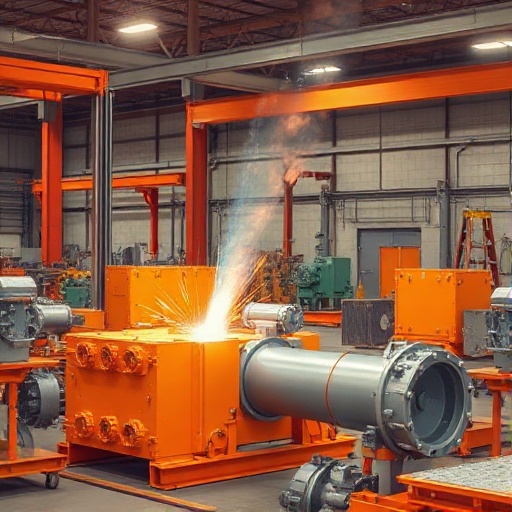
Project owners evaluate skid fabrication companies on shop capacity, past project references, and engineering depth. Proximity to the site can reduce transport costs for oversized modular skids. Lead-time reliability and change-order handling practices also influence selection. A fabricator experienced with similar process conditions demonstrates the practical knowledge needed to anticipate design challenges and propose cost-effective solutions during custom skid fabrication.
Licensing and Certifications of Manufacturers
Valid licensing and recognized certifications signal that a skid fabricator maintains required quality and safety systems. ASME stamps, API monograms, and ISO registrations provide third-party verification of capabilities. Clients should confirm that welder qualifications remain current and that the company holds necessary environmental permits for coating and machining operations. These credentials reduce project risk and simplify regulatory submissions for modular process skid installations.
Evaluating Custom Skid Fabrication Services
Comprehensive custom skid fabrication services include in-house engineering, procurement, fabrication, and testing under one roof. Prospective clients review sample documentation packages and visit the skid fabrication shop to observe workflow and equipment condition. Clear communication channels and responsive project management separate reliable partners from those that create coordination headaches. Thorough evaluation ensures the selected manufacturer delivers modular skids that meet performance targets and integrate smoothly with existing facilities.