The Importance of Quality Rubber in the Pulp and Paper Supply Chain
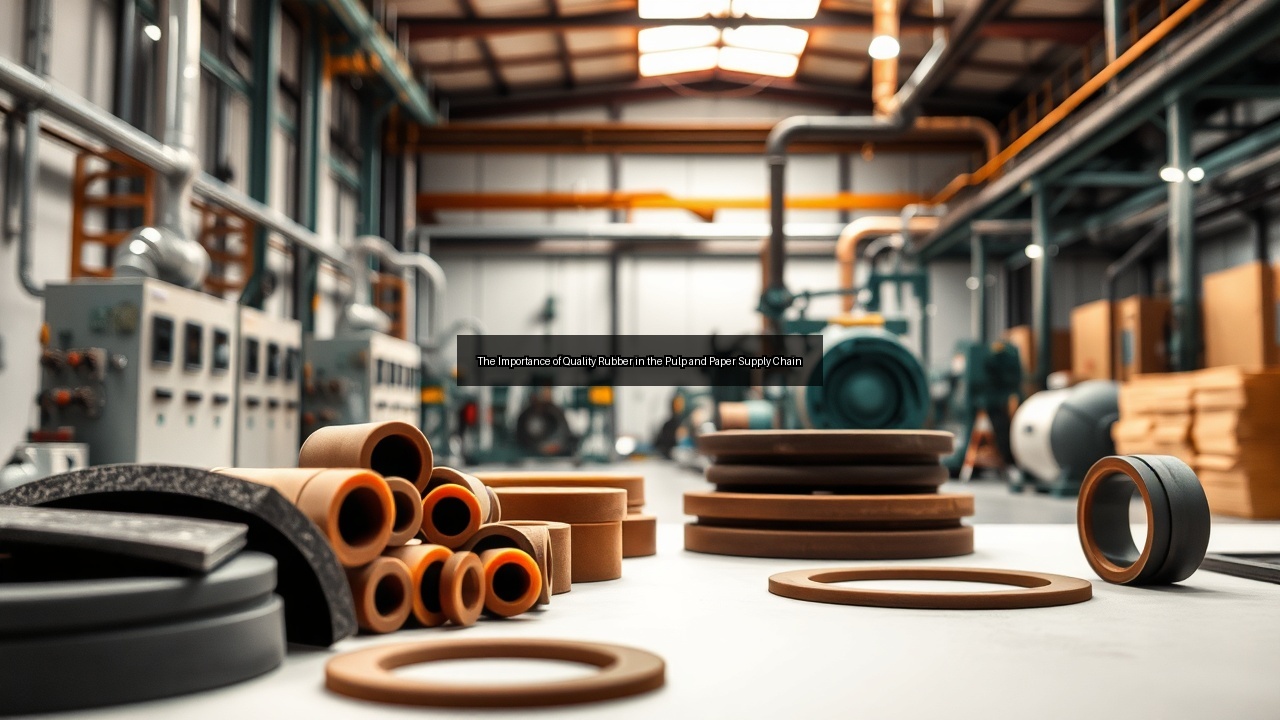
Understanding the Role of Rubber in the Pulp and Paper Industry
Overview of Rubber Products in the Supply Chain
Rubber products for the pulp & paper industry play a crucial role in ensuring efficiency and reliability throughout the entire supply chain. The pulp and paper industry encompasses various processes, from the initial wood preparation to the final product delivery. During these stages, rubber components facilitate operations, minimize downtime, and enhance overall productivity. Key rubber products include stoppers, gaskets, and seals, each designed to withstand the unique challenges posed by the processing environment.
These rubber components provide essential functions, such as preventing leaks, maintaining pressure in vacuum systems, and ensuring rubber products for pulp industry equipment integrity. Their resilience against harsh chemicals and fluctuating temperatures makes them indispensable in a sector where performance is paramount. Quality rubber products not only enhance operational efficiency but also contribute to the longevity of machinery and equipment, leading to cost savings and improved production timelines.
Key Characteristics of Natural Rubber and EPDM
Natural rubber and ethylene propylene diene monomer rubber (EPDM) are two primary types of rubber utilized within the pulp and paper industry. Natural rubber offers an exceptional balance of elasticity and tensile strength, making it ideal for applications requiring flexibility and durability. Its ability to withstand wear and tear is particularly advantageous in environments where machinery operates under continuous stress.
On the other hand, EPDM provides superior resistance to heat, ozone, and various chemicals, making it a standout choice for applications exposed to harsh conditions. This synthetic rubber maintains its integrity and performance, even when subjected to the corrosive effects of chemicals commonly found in pulp processing. The distinct properties of both natural rubber and EPDM allow manufacturers to select the most suitable material for specific applications, ensuring that rubber products meet the rigorous demands of the industry.
Importance of Quality in Rubber Products
Quality in rubber products is non-negotiable. High-quality rubber components directly affect the reliability and efficiency of pulp and paper operations. Inferior rubber materials can lead to equipment failure, increased maintenance costs, and production delays. For instance, a faulty gasket can result in leaks, compromising the integrity of a vacuum system, which may halt production until repairs are made.
Moreover, using high-quality rubber products enhances the performance of the entire supply chain. Reliable stoppers and gaskets prevent contamination and maintain the necessary pressure levels, which are critical for optimal processing. Manufacturers benefit from investing in quality rubber as it translates to reduced downtime, improved machinery lifespan, and ultimately, enhanced profitability. As the pulp and paper industry continues to evolve, prioritizing quality in rubber products remains essential for sustainable operations.
Types of Rubber Products Essential for Pulp and Paper Operations
Stoppers and Their Applications
Stoppers are vital components in the pulp and paper industry, serving various functions across different operations. These rubber products act as sealing devices that prevent leaks and ensure the proper functioning of containers, tanks, and pipes. In pulp processing, stoppers help maintain the integrity of chemical mixtures, preventing contamination and ensuring that the correct ratios are maintained for optimal results.
In addition to their sealing capabilities, stoppers play a crucial role in vacuum systems, where they help maintain the necessary pressure levels for efficient operation. The material used for stoppers, whether natural rubber or EPDM, must withstand the specific environmental conditions they encounter. For example, stoppers used in chemical applications must resist corrosion and degradation from exposure to various substances, ensuring long-term reliability.
Manufacturers must select stoppers that are tailored to their specific needs, considering factors such as temperature, chemical exposure, and pressure requirements. By investing in high-quality rubber stoppers, companies can significantly reduce the risk of leaks and equipment failures, leading to more efficient pulp and paper production processes.
The Role of Gaskets in Maintaining Equipment Integrity
Gaskets serve as essential components in the pulp and paper industry, providing critical seals between various machinery parts. They prevent leaks, maintain pressure, and ensure that equipment operates smoothly and efficiently. The effectiveness of gaskets directly impacts the performance of pumps, valves, and other essential machinery in the production process. Choosing the right gasket material is crucial for achieving optimal performance and durability.
Rubber gaskets, whether made from natural rubber or EPDM, offer excellent sealing capabilities due to their flexibility and resilience. They adapt well to the surfaces they seal, providing a tight fit that prevents leaks. In environments where chemicals are prevalent, EPDM gaskets are often preferred due to their superior resistance to corrosive substances. This characteristic ensures that gaskets maintain their integrity over time, reducing maintenance needs and downtime.
Regular inspection and maintenance of gaskets are essential to ensure they continue to perform effectively. A compromised gasket can lead to machinery malfunctions, increased energy consumption, and even costly production halts. By investing in high-quality rubber gaskets and prioritizing proper maintenance, pulp and paper manufacturers can safeguard their equipment and enhance operational efficiency.
Vacuum Systems and Rubber Components
Vacuum systems are integral to many processes in the pulp and paper industry, facilitating the removal of air and moisture to ensure optimal product quality. Rubber components play a significant role in the efficiency and effectiveness of these systems. Seals, hoses, and other rubber products must withstand the specific demands of vacuum applications, providing reliable performance under varying pressures.
One of the primary challenges faced in vacuum systems is the potential for leaks, which can compromise efficiency and lead to increased energy consumption. High-quality rubber products, such as gaskets and seals, ensure tight fittings that prevent air infiltration and maintain the necessary vacuum levels. Furthermore, the materials used must resist wear and degradation from exposure to moisture and other environmental factors.
Advancements in rubber technology continue to enhance the performance of vacuum components. Manufacturers are increasingly focusing on creating specialized rubber formulations that offer improved resistance to wear, heat, and chemicals. By utilizing these innovative rubber products, pulp and paper companies can improve the efficiency of their vacuum systems, resulting in better quality products and reduced operational costs.
Challenges and Innovations in Rubber Utilization
Impact of Chemicals on Rubber Performance
The pulp and paper industry utilizes a variety of chemicals during production, which can significantly affect the performance of rubber products. Exposure to harsh chemicals, such as bleaches, dyes, and other processing agents, can lead to degradation and failure of rubber components. Understanding the compatibility of rubber materials with these chemicals is critical for selecting the right products for specific applications.
Natural rubber, while highly elastic and durable, tends to have limited resistance to certain chemicals. In contrast, EPDM offers superior resistance to a wide range of chemicals, making it the preferred choice for many applications in the pulp and paper sector. Manufacturers must evaluate the chemical environment in which rubber products will operate to ensure longevity and reliability.
Regular assessments of rubber performance in chemical environments can help companies identify potential issues before they lead to equipment failures. Utilizing advanced rubber formulations that enhance chemical resistance allows manufacturers to maintain efficiency and reduce downtime caused by rubber degradation.
Advancements in Rubber Technology for Efficiency
Innovations in rubber technology are transforming the pulp and paper industry, enabling the development of high-performance rubber products that enhance operational efficiency. Manufacturers are investing in research and development to create rubber formulations that offer improved durability, chemical resistance, and thermal stability. These advancements allow for longer-lasting products that require less frequent replacement, ultimately reducing operational costs.
For instance, the introduction of reinforced rubber compounds has improved the strength and longevity of gaskets and seals. These high-performance products withstand the rigors of the pulp and paper manufacturing process, minimizing the risk of leaks and failures. Furthermore, advancements in manufacturing techniques enable the production of rubber components with precise tolerances, ensuring optimal fit and performance.
Embracing these technological advancements not only enhances efficiency but also supports sustainability goals. By reducing waste and extending the lifecycle of rubber products, manufacturers can contribute to a more sustainable pulp and paper industry.
Sustainability Considerations in Rubber Sourcing
Sustainability has become a significant consideration in the pulp and paper industry, and rubber sourcing is no exception. The environmental impacts of rubber production, particularly from natural rubber sources, raise concerns regarding deforestation and biodiversity loss. Manufacturers increasingly seek sustainable rubber products that align with their environmental goals and ethical practices.
Many companies are turning to certified sustainable rubber sources, ensuring that their materials come from plantations that adhere to responsible farming practices. This commitment not only supports ethical sourcing but also enhances the overall sustainability of the supply chain. Additionally, incorporating recycled rubber products can further reduce the environmental footprint associated with rubber utilization.
As the rubber products for pulp industry industry shifts towards greener practices, investing in sustainable rubber products can enhance a company’s reputation and appeal to environmentally-conscious consumers. By prioritizing sustainability in rubber sourcing, pulp and paper manufacturers can play a significant role in promoting a more responsible and eco-friendly industry.
See Also
- Streamlining Production with Advanced Rubber Technology in Paper Mills
- The Essential Guide to Rubber Components for Pulp Processing
- Choosing the Right Rubber Materials for Pulp and Paper Equipment
- How to Optimize Your Pulp and Paper Process with Quality Rubber Products
- Exploring EPDM Rubber's Advantages in the Pulp and Paper Sector