How to Select a Commercial Dehumidifier for Spas and Indoor Pools to Ensure Guest Comfort
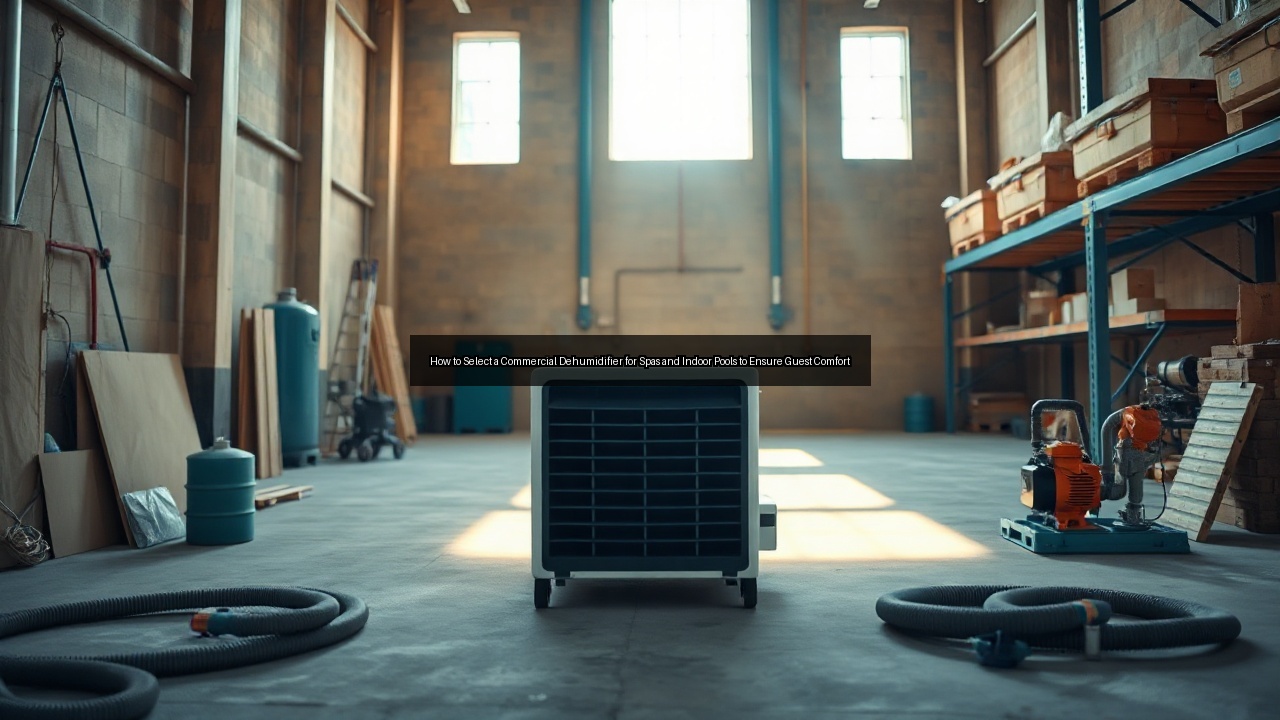
Understanding the Importance of Dehumidification in Spas and Indoor Pools
The Role of Humidity in Guest Comfort
Humidity plays a crucial role in guest comfort within spas and indoor pools. High humidity levels can lead to a clammy atmosphere, making the environment feel uncomfortable and stifling. Effective humidity control using a commercial dehumidifier ensures that guests experience a pleasant and inviting space. Proper dehumidification maintains optimal humidity levels, typically between 30-50%, ensuring that guests can relax without feeling sticky or overheated. This not only enhances the spa experience but also promotes longer visits, as guests are likely to stay longer in a comfortable environment.
How Excess Moisture Affects Indoor Environments
Excess moisture can wreak havoc on indoor environments, particularly in areas dedicated to relaxation and wellness. High humidity fosters mold growth, which poses health risks and creates unpleasant odors. Additionally, excess moisture can damage the infrastructure of your spa or indoor pool. Wood structures may warp, tiles can become slippery, and the air quality can deteriorate, leading to respiratory issues commercial dehumidifier unit among guests and staff. Efficient dehumidification mitigates these risks by effectively removing moisture from the air, thereby protecting both the facility and the health of its occupants.
Benefits of Effective Humidity Control
Implementing effective humidity control in spas and indoor pools offers numerous benefits. First, it enhances guest comfort and satisfaction, directly impacting repeat business and referrals. A consistent, dehumidified environment improves air quality, reducing allergens and irritants. Effective dehumidification also protects the facility's physical assets, such as furnishings, equipment, and construction materials, from moisture-related damage. Furthermore, energy-efficient commercial dehumidifiers can lower energy costs, especially when equipped with Energy Star ratings. These units optimize energy consumption while ensuring effective humidity management, creating a win-win scenario for both business owners and guests.
Key Features to Consider When Selecting a Commercial Dehumidifier
Capacity and Size: Pints and CFMs Explained
When choosing a commercial dehumidifier, capacity and size play pivotal roles. The capacity of a dehumidifier is often measured in pints, indicating how much moisture it can remove from the air within 24 hours. Understanding the specific needs of your space is vital—larger indoor pools or spas may require units with higher capacities. Additionally, look for the CFM (cubic feet per minute) rating, which reflects the air flow rate of the unit. High CFM ratings ensure that the dehumidifier can effectively circulate air, maintaining consistent humidity levels throughout the entire space. Proper sizing prevents overworking the unit, extending its lifespan and maximizing efficiency.
Energy Efficiency: The Importance of Energy Star Ratings
Energy efficiency is a significant consideration when selecting a commercial dehumidifier. Units with Energy Star ratings demonstrate adherence to strict energy efficiency guidelines established by the Environmental Protection Agency (EPA). Adopting an energy-efficient model not only reduces operational costs but also aligns with environmentally conscious business practices. These dehumidifiers consume less energy while maintaining optimal performance, which is especially important when managing the humidity in large spaces like spas or indoor pools. Investing in energy-efficient commercial dehumidifiers ultimately enhances your facility's sustainability while providing a comfortable atmosphere for guests.
Sound Pressure Level: Ensuring a Comfortable Environment
Sound pressure level is another critical feature to consider when selecting a commercial dehumidifier. Excessive noise can disrupt the tranquil atmosphere that guests seek in spas and pools. Look for units that operate quietly, ideally with sound pressure levels below 60 decibels. Many modern dehumidifiers incorporate noise-reducing technology that allows for quiet operation, ensuring that guests can enjoy their experience uninterrupted. A well-chosen dehumidifier not only maintains ideal humidity levels but also enhances the overall ambiance, creating a serene environment conducive to relaxation.
Installation and Maintenance of Commercial Dehumidifiers
Placement Considerations: Space and Air Flow
Proper placement of commercial dehumidifiers is essential for optimal performance. Ensure that the unit has adequate space for air flow and is not obstructed by furniture or other obstacles. Positioning the dehumidifier in a central location allows for efficient air circulation throughout the entire space. Consider the layout of your spa or indoor pool when determining the ideal spot for installation. This strategic placement ensures that the dehumidifier can effectively manage moisture levels, creating a comfortable and inviting environment for guests. Additionally, allow for sufficient clearance around the unit to facilitate maintenance and service.
Connecting Pumps and Hoses for Optimal Functionality
Connecting pumps and hoses is crucial for the efficient operation of commercial dehumidifiers. Many models come with built-in pumps that facilitate the removal of condensate, allowing for continuous operation without manual intervention. Ensure that the hose connections are secure and lead to an appropriate drainage location. Properly routed hoses prevent leaks and maintain the effectiveness of the dehumidification process. This setup allows the unit to operate efficiently, reducing downtime and ensuring consistent humidity control. Understanding the mechanics of these connections empowers facility managers to maintain optimal performance.
Regular Maintenance: Extending the Life of Your Dehumidifier
Regular maintenance is key to extending the life of your commercial dehumidifier. Schedule routine inspections to check for dust buildup on filters and coils, as this can hinder performance. Cleaning or replacing filters regularly enhances air flow and improves efficiency. Additionally, inspect hoses and pumps for any signs of wear or obstruction. By adhering to a maintenance schedule, facility owners can prevent costly repairs and ensure that the dehumidifier operates at peak efficiency. Investing time in maintenance not only prolongs the life of the unit but also ensures consistent humidity control, enhancing the overall guest experience.
Advanced Dehumidification Solutions for Enhanced Spa and Pool Experience
Integrating Dehumidifiers with HVAC Systems
Integrating commercial dehumidifiers with HVAC systems provides an advanced approach to humidity control. This synergy allows for coordinated temperature and moisture management, creating a balanced indoor environment. An integrated system can effectively manage both heating and cooling while ensuring optimal humidity levels, enhancing guest comfort. Additionally, smart technology commercial air dehumidifier enables real-time monitoring of humidity and temperature, allowing for adjustments as needed. This sophisticated solution not only improves guest satisfaction but also reduces energy consumption by optimizing system performance.
Managing Temperature and Moisture Levels for Comfort
Managing temperature and moisture levels is essential for guest comfort in spas and indoor pools. High humidity can make warm air feel even warmer, leading to discomfort. By using commercial dehumidifiers in conjunction with heating systems, facility managers can ensure that guests enjoy a comfortable environment regardless of outside conditions. Maintaining a balance between temperature and humidity enhances the overall experience, enabling guests to relax and enjoy their time without feeling overheated or sticky.
Addressing Mold and Flooding Concerns in Indoor Facilities
Mold and flooding pose significant concerns in indoor facilities, particularly those with high moisture levels. Commercial dehumidifiers effectively reduce humidity, creating an environment that inhibits mold growth. This proactive approach not only protects the health of guests but also safeguards the integrity of the facility. In addition, a well-functioning dehumidifier can mitigate risks associated with flooding, particularly in areas prone to water accumulation. By investing in a reliable dehumidification system, facility managers can address these concerns, ensuring a safe and healthy environment for all.
See Also
- Dehumidification Strategies for Large Spaces and Warehouses
- Understanding the Sound Pressure Level of Your Dehumidifier
- The Essential Guide to Choosing the Best Commercial Dehumidifier
- Maximize Your Space with the Right Commercial Dehumidifier
- Why Your Business Needs a Reliable Dehumidifier for Moisture Control