Exploring the Connection Between Blower Motors and HVAC Performance
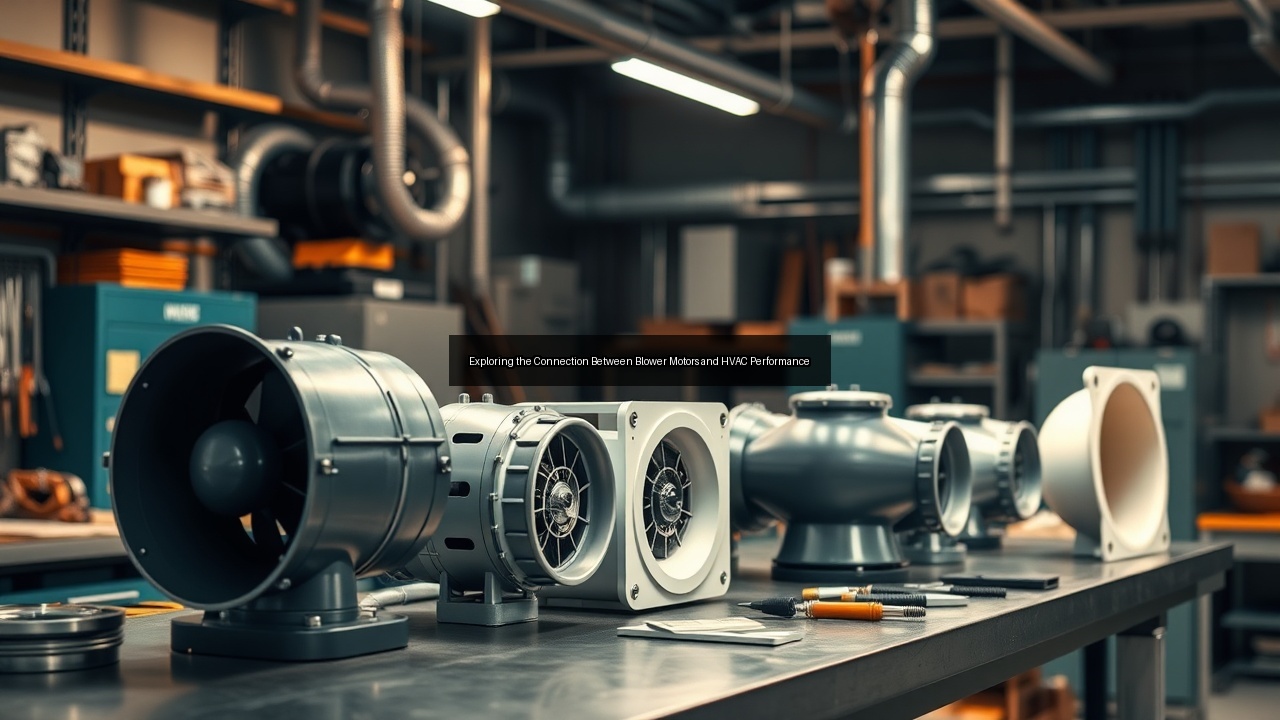
Understanding HVAC Blower Motors and Their Role in System Performance
What is an HVAC Blower Motor?
An HVAC blower motor plays a crucial role in heating, ventilation, and air conditioning systems. It drives the blower fans, which circulate air throughout the system. When you adjust your thermostat, the blower motor activates, pulling air from the environment, either heating or cooling it as needed before redistributing it back into your living space. This process not only ensures comfort but also contributes to air quality by filtering and circulating indoor air. The efficiency and performance of your HVAC system largely depend on the condition and type of blower motor used, making it a vital component of any heating and cooling system.
Types of Blower Motors: OEM vs. Aftermarket
Choosing between OEM (Original Equipment Manufacturer) and aftermarket blower motors can significantly impact your HVAC system's performance. OEM blower motors are made by the same manufacturer that produced the original components of your HVAC system. These motors often guarantee a perfect fit and compatibility, ensuring optimal performance. On the other hand, aftermarket blower motors may offer cost savings and a variety of options, but they can vary in quality and compatibility. It's essential to weigh the benefits of each type against your specific requirements. Consider factors such as warranty, reliability, and long-term performance when making your decision.
The Importance of Blower Fans in HVAC Systems
Blower fans are integral to the functioning of HVAC systems. They facilitate the movement of conditioned air, ensuring that every room maintains a consistent temperature. Efficient blower fans enhance airflow, which improves the heating or cooling efficiency of your furnace or air conditioner. This efficiency can lead to lower energy bills and a more comfortable indoor environment. Furthermore, quality blower fans can reduce wear and tear on your HVAC system, extending its lifespan. Regular maintenance of these fans, including cleaning the air filter, is essential for maintaining optimal performance and ensuring that your HVAC system operates smoothly.
The Anatomy of Blower Housing in HVAC Systems
Components of Blower Housing Assembly
The blower housing assembly is a vital part of any HVAC system, housing the blower motor and fans. This assembly includes several key components: the housing itself, the blower wheel, and sometimes an air filter. The housing encloses the blower motor, providing protection while supporting the overall structure. It also plays a role in directing the airflow generated by the blower fans. In some designs, the air filter fits into the assembly, ensuring that only clean air enters the system. Understanding these components helps homeowners appreciate the importance of proper blower housing for system efficiency.
The Role of the Cage and Air Filter
The cage, or blower wheel, within the blower housing assembly blower housing plays a pivotal role in air circulation. This component spins to draw air into the HVAC system and propel it through the ducts. An efficient cage design maximizes airflow while minimizing noise. Additionally, the air filter within the blower housing is essential for maintaining indoor air quality. It captures dust, allergens, and other particulates before they enter the HVAC system. Regularly changing or cleaning the air filter can prevent clogs, ensuring optimal airflow and system efficiency. Neglecting this simple maintenance task can lead to reduced performance and increased energy costs.
How Blower Housing Affects HVAC Efficiency
The design and condition of blower housing significantly influence the efficiency of HVAC systems. A well-constructed blower housing minimizes air leaks, ensuring that all conditioned air reaches your living spaces. Conversely, poorly designed or damaged housings can waste energy and lead to inconsistent temperatures throughout your home. Proper insulation and sealing of the blower housing can further enhance performance, reducing strain on the system. Homeowners should regularly inspect the blower housing for any signs of wear or damage, as addressing these issues can improve comfort and efficiency while prolonging the lifespan of the HVAC system.
Common Issues with Blower Motors and Their Impact on HVAC Performance
Signs of a Failing Blower Motor
Detecting issues with your blower motor early can prevent costly repairs and ensure continued HVAC performance. Common signs of a failing blower motor include unusual noises, such as grinding or squeaking, which can indicate worn bearings or other internal damage. Additionally, you may notice reduced airflow or irregular heating and cooling throughout your home. If the blower motor fails to start, it may require immediate attention. Regular maintenance, including lubrication and inspection, can help identify problems before they escalate, maintaining your HVAC system's reliability and efficiency.
The Impact of Ball Bearings on Blower Performance
Ball bearings are crucial to the smooth operation of blower motors. They reduce friction between moving parts, allowing for efficient rotation of the blower fan. If ball bearings wear out or become damaged, the motor may struggle to operate, leading to decreased airflow and increased energy consumption. In some cases, failing ball bearings can result in motor burnout, necessitating a costly replacement. Regular maintenance, including checking and lubricating bearings, can significantly enhance the lifespan and performance of your blower motor, ensuring optimal operation of your HVAC system.
Feedback from Users: Warranty and Reliability Concerns
User feedback often highlights the importance of choosing reliable blower motors and housings. Many homeowners express concerns about warranties, particularly when investing in aftermarket components. A solid warranty can provide peace of mind, indicating that the manufacturer stands behind their product. Reliability also plays a significant role; customers appreciate blower motors that perform consistently over time without frequent repairs. Reviews and testimonials can guide potential buyers in selecting the right components for their HVAC systems, ensuring they make informed decisions that prioritize longevity and performance.
Choosing the Right Blower Housing for Your HVAC System
Factors to Consider When Selecting Blower Housings
Selecting the right blower housing is critical for maintaining HVAC system efficiency. First, consider compatibility with your specific HVAC model. Ensure the housing fits your blower motor and blower fans correctly to prevent airflow issues. Material quality is another vital factor; robust, insulated materials enhance durability and performance. Additionally, assess the design of the housing for optimal airflow, which can significantly affect heating and cooling efficiency. Evaluating these factors can lead to a more reliable and efficient HVAC system, optimizing comfort in your home.
Comparing Brands: Quality and Performance
Brand reputation often influences the choice of blower housing. Established brands typically offer products with proven reliability and performance. When comparing brands, consider customer reviews, warranty options, and product specifications. Some brands excel in energy efficiency, while others may focus on durability or noise reduction. Understanding what each brand offers can help you make a well-informed decision, ensuring your HVAC system operates at peak performance. Investing in high-quality blower housings can yield long-term benefits, including lower energy costs and extended system lifespan.
Maintaining Your Blower Motor and Housing for Longevity
Proper maintenance of your blower motor and housing is essential for longevity and efficiency. Regularly inspect the blower housing for signs of wear, and ensure that the cage and air filter are clean and functioning properly. Lubricate ball bearings as needed to reduce friction and prevent overheating. Schedule routine HVAC system check-ups with professionals to catch potential issues early. Simple tasks, such as changing the air filter and cleaning the housing, can significantly extend the life of your blower motor while enhancing overall HVAC performance. Prioritizing maintenance leads to a more comfortable and energy-efficient home.
See Also
- Maximizing Your HVAC Performance with Quality Blower Fans and Housings
- The Importance of OEM Blower Housings for Long-Term HVAC Reliability
- How Blower Housing Affects Noise Levels in HVAC Systems
- How to Identify the Perfect Blower Housing for Your Air Conditioner
- The Future of Blower Housing Innovations in HVAC Technology